













Forest Biodiversity: How Our Foresters Protect and Restore Healthy Ecosystems
Our business relies upon forests, a natural and renewable resource that’s a part of diverse ecosystems, so it’s a priority for us to care for forestlands. It’s not only at the core of our livelihood; it’s also our responsibility to be good stewards of the resources we’re privileged to use — the forestlands where we source our virgin fiber. That includes protecting and maintaining biological diversity (biodiversity) where we operate.
What is biodiversity? The variety of plant and animal species, the genetic diversity of those species and the diversity of the ecosystems where they live all converge to make up biodiversity, which is required for all living things to function and thrive. Biodiversity is not only important for ecosystem stability, but also human health, water and air quality, climate change resilience and genetic resources.
Sustainable forestry balances social, ecological and economic interests to keep forests healthy for the future, and protecting biodiversity is a necessary component of sustainable forestry practics. Supporting and maintaining the natural and delicate balance of plant and wildlife in a forest area ensures the continued life of that forest.
Recognizing how important sustainable forestry is to biodiversity and the health of our planet, our foresters share more about how they use these forestry practices to promote biodiversity across different regions of the world.
How our foresters work: forest stewardship in practice
While 55% of the fiber we use comes from recycling, we source 45% from forestlands that are sustainably managed. Our foresters practice sustainable forest management on our own forests, but also in relation to their activities to harvest or source sustainable wood fiber from private landowners.
We attain chain of custody certification for the wood fiber we harvest from lands we don’t own to show it’s coming from sustainable and ethical sources. However our own forests are all FSC® or PEFC-certified. The Forest Stewardship Council® (FSC) and the Programme for the Endorsement of Forest Certification (PEFC) both provide sustainable forestry certifications, ensuring our forestlands are managed responsibly and sustainably.
According to these organizations, sustainable forestry management protects:
- Biodiversityof flora and fauna
- Wildlife habitats and endangered species
- Soil health, watershed and fungal diversity
- Areas of cultural and spiritual significance
Foresters accomplish all of these goals in three ways: planning, monitoring and mitigation.
Planning
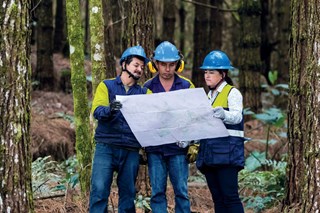
Responsibly managing forestland requires thorough and meticulous planning. Whenever foresters draw up a plan for an area, it’s created with end goals in mind. Some land might be solely used for planting and harvesting trees, but some forests we manage are used for recreation, beautification, honoring cultural significance, or some combination of these. Biodiversity is always a main goal, but the property owner’s intentions must also factor into the plan.
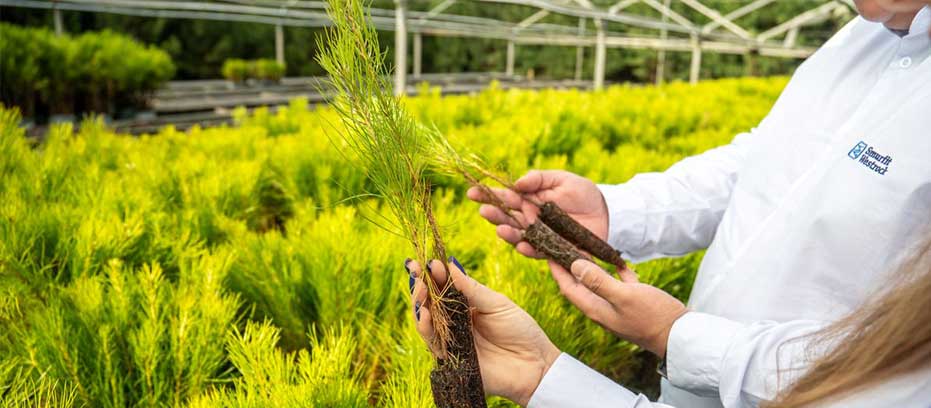
Plans also differ greatly between regions. In Colombia and Brazil, we only harvest trees from designated tree plantations, and our natural forests remain untouched, mostly used for conservation, monitoring and data-gathering. In Europe, we’re permitted to harvest on forestlands owned by a government or private entity, so plans are made in accordance with the regional laws and the owner’s desires.
As well as clear objectives, a sustainable forest management plan includes:
- Methods and strategies for reforestation, planting and timber harvesting.
- Plans for protecting water quality, wildlife habitat and endangered species.
- A timeline of planned actions—such as research, mitigation, thinning or responsible harvesting (if done)—over a period of time.
- Monitoring procedures to evaluate the management plan.
In the parts of France and Spain where we manage forests, planning centers on responsible harvesting, paying careful attention to regional regulations, especially concerning endangered species, and adherence to certification requirements. The European Mink and the Egyptian Vulture are two of the animals our foresters are trained to identify and protect in Spain.
“We plan harvesting around the nesting periods of birds, and monitor the habitats closely for endangered animals,” said Mikel Anton, Smurfit Westrock general manager of sustainability. “If we notice an eagle, for example, then we don’t harvest in that area to make sure the habitat around them is not disturbed.”
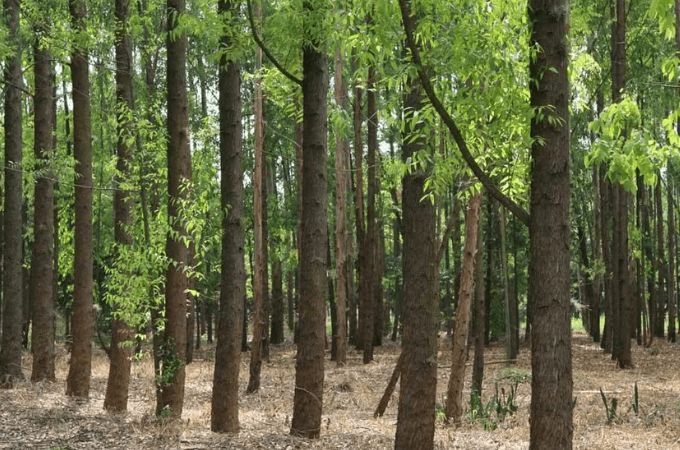
In forests that we own , such as in Brazil and Colombia, our foresters plan decades into the future with timing centered on tree lifecycles. Our foresters in Brazil harvest Eucalyptus trees every seven years and pine trees every 14 years, planning two rotations (or 28 years) ahead. Similarly, in Colombia foresters plan seven-year and 18-year rotations. In addition to planting and harvesting, they also plan the logistics around future harvests to account for social, economic and environmental impact.
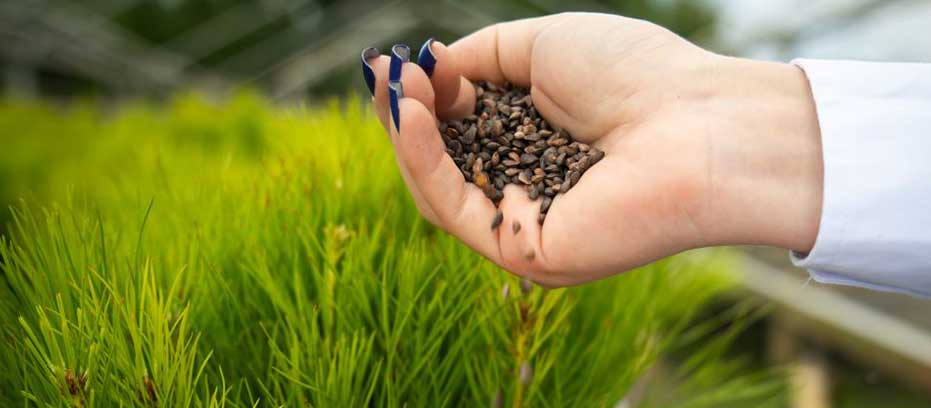
“We have to consider all of the potential impacts of harvesting, such as erosion of the watershed or impacts to the roads, and then form a plan to avoid any impacts,” said Marcela Zapata, head of forestry research and development at Smurfit Westrock. “After harvesting, we have to provide evidence of mitigation to the municipality and the community.”
Many of the roads near our forestlands are unpaved (95% in Brazil), which means our foresters in Latin America have to account for the possible impact made by trucks used for transport. During dry periods, the forestry team usually plans to irrigate the roads to minimize the impact of dust, and during wet periods, they plan to minimize the speed of trucks to avoid issues with mud. Our foresters involve the community in the plans from the beginning.
“Sustainable forest management is also about people, because everything we do needs to consider potential impacts in order to guarantee people’s well-being,” said Heuzer Guimaraes, Smurfit Westrock VP of fiber and forestry. “Before we start any operation, we run a door-to-door program, visiting each household along the roads to share the details and make sure we’re choosing the best roads. We involve the community so if they have any issues, they feel comfortable enough to approach us directly so we can address it.”
Monitoring
Continual monitoring of the forests we own ensures we can maintain and/or improve biodiversity. Our forest management plans determine the methods of monitoring and the frequency at which we collect samples or conduct surveys to examine soil and water quality, evaluate plant and animal species, and search for signs of disease. If foresters see any deviation in quality, considering social, environmental, and economic perspectives, they correct it.
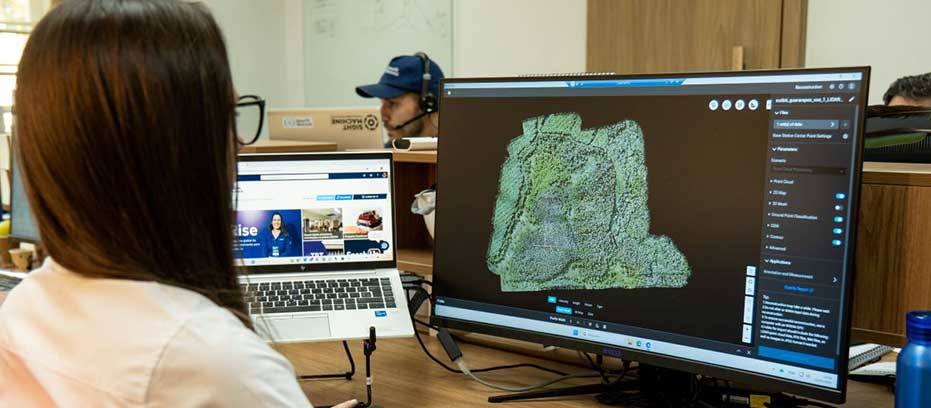
“We want to guarantee soil structure. So, we must measure the erosion process, identifying any soil disturbance that is created by water or by machines. We can search for erosion using drones and then by surveying on foot to take soil samples,” said Guimaraes.
In addition to searching for possible erosion, foresters regularly test the amount of nutrients in soil samples to ensure soil quality is maintained. Seeing lower levels of nutrients might signal a need for supplementation, while higher levels could mean recent fertilization or supplementation needs to be curtailed in the future.
“The soil is so important, and it’s something we continue to improve every year,” said Zapata. “We are measuring porosity, root density, filtration ... We are measuring different properties in the soil so that we can understand what happens in every rotation.”
Native species and ecosystems
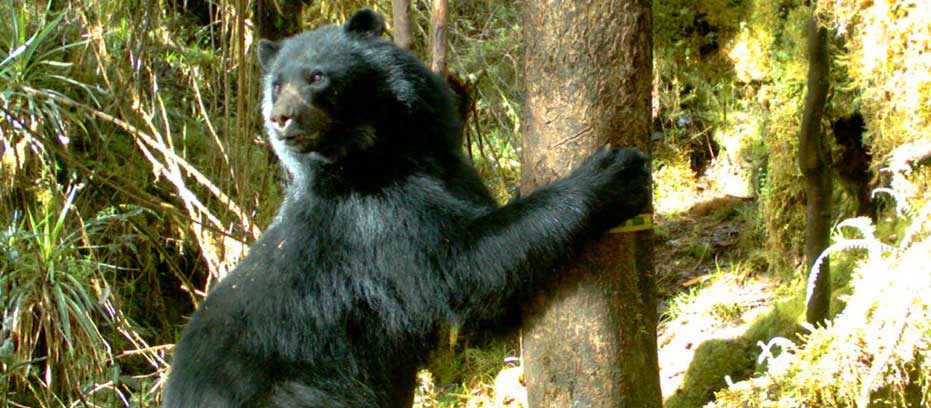
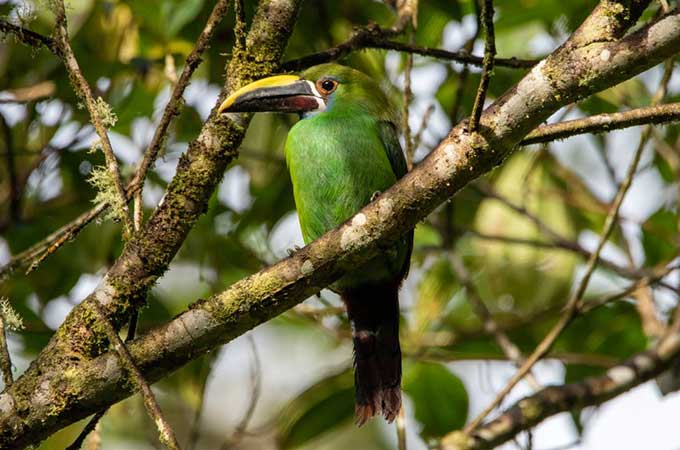
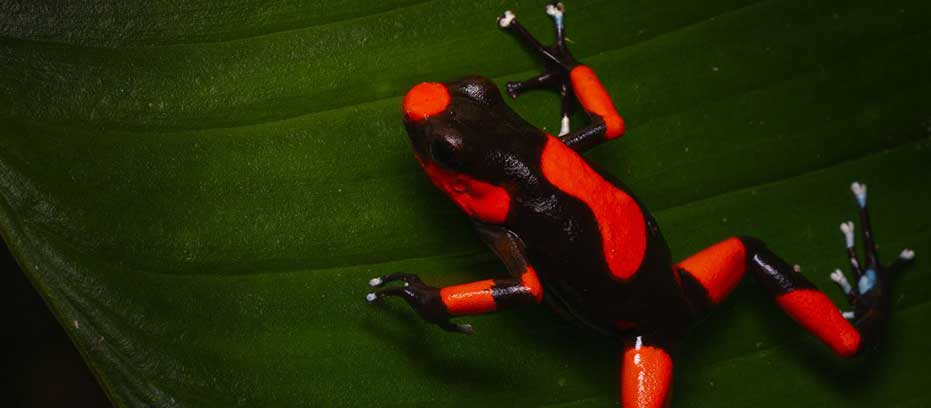
Foresters make efforts to protect threatened species like the Andean Bear, classified as “Vulnerable” in Colombia.
Foresters identify all the plant and animal species in the area as well as the diversity within those species. Monitoring their presence and numbers helps determine if the species are continuing to thrive or if natural predators are keeping them in check.
“We’ve been monitoring the fauna in Brazil for over 18 years, so we have a huge database on the diversity and populations. Every year, we compare the numbers of the current year with our average number from the past 18 years,” said Guimaraes.
Monitoring threatened and endangered species is especially important. Foresters work with local and federal wildlife authorities and conservation organizations to evaluate populations of these species to ensure they’re protected and monitored for growth. While foresters in Europe comply with legislation to avoid disturbing protected species, foresters in Colombia just completed the massive task of collecting baseline data on all the local species, which took years due to the range of elevations and climates in the region.
“We want to understand what’s happening in different zones and climates, because this region goes from 900 meters above sea level to almost 3000 (10,000 feet), which is a huge range. This biodiversity index is the first stage, and now we’re planning for the second stage, which will collect data to compare to the baseline,” said Zapata.
Climate
Temperatures and rainfall directly impact plant and animal life, which is why it’s important to monitor the climate and compare data to average numbers. Unusually hot, wet or dry seasons (now more common with climate change), may mean foresters have to adjust their management plans. They may need to leave more space when planting, increase irrigation of unpaved roads to prevent dust, or monitor more closely for possible erosion and wildfire risk.
Mitigation
Once our foresters evaluate the land and review their collected data, they can prescribe mitigation tactics to address any issues with biodiversity. Depending on the region, some of their mitigation efforts include:
- Fertilization
- Erosion prevention
- Removing diseased trees according to best practices
- Prescribed burns
- Harvesting
- Thinning
- Introducing more natural predators for biological pest and disease control
Removing unhealthy trees prevents diseases or fungi from spreading; adding culverts, mulch or vegetation addresses water erosion; and where we harvest trees in Latin America, applying fertilizer replaces nutrient loss. When it comes to prescribed burns, harvesting and thinning, our foresters say people often assume that leaving forests untouched is what’s best for them. However, foresters in Europe clear brush and low-lying vegetation in fire-prone areas to reduce wildfire risk, and prescribed burns are often used in North America to revive flora and fauna where needed.
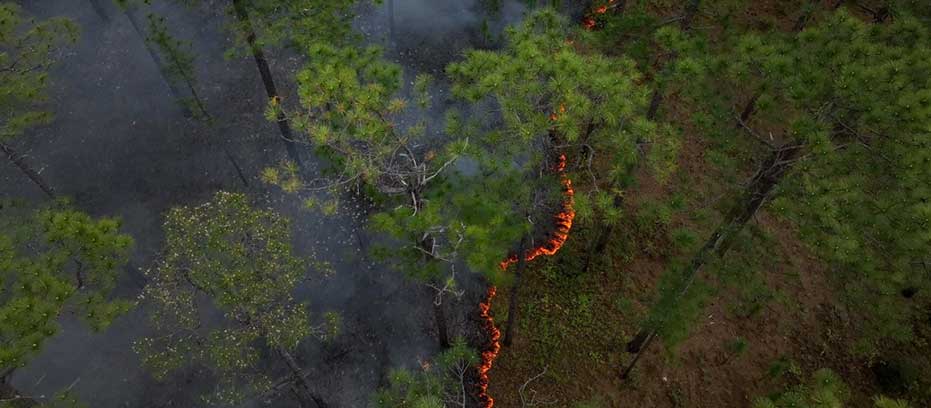
“One landowner we worked with in the U.S. mentioned that they didn’t see as much wildlife as they used to, so we convinced them to do a thinning,” said Eric Smith, Smurfit Westrock senior manager of sustainability. “We opened up the forest, removed the less desirable trees, left the healthier ones and cleared out the overgrowth and invasive species. There was one area next to her house that had a bunch of dogwood trees, and right after we finished thinning, those dogwoods started blooming again; she was so happy.”
Harvesting trees or prescribing a burn in certain areas reduces forest density, which helps improve wildlife habitat and biodiversity. In overgrown areas, invasive species may threaten the natural flora and fauna since the vegetation competes for resources, depleting the soil of nutrients. There are even specific species that need fire (which naturally occurs from lighting) to propagate. These mitigation efforts make forests less susceptible to major wildfires, which is a greater concern today due to climate change.
Preserving biodiversity in collaboration with private landowners
While we manage forestlands in Brazil and Colombia, in North America Smurfit Westrock foresters work directly with small landowners participating in our forest owner assistance program, a unique. These partnerships are not only mutually beneficial, but they also allow us to help preserve biodiversity in that part of the U.S.
Many of the landowners we work with have maintained ownership of their forestlands for multiple generations, and they want to enjoy healthy, productive forestlands and manage them responsibly. To do that, Smurfit Westrock foresters provide expert advice to help landowners realize income from their property while also promoting biodiversity.
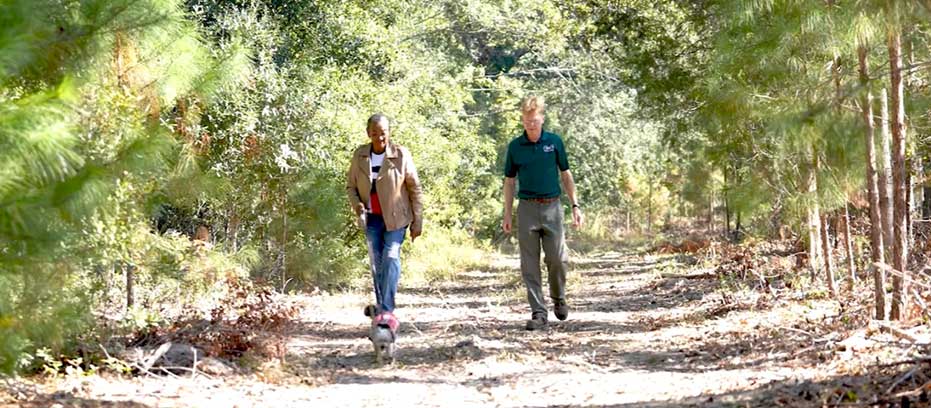
At no cost to a landowner, our foresters will examine the land, create a forest management plan based on the owner’s objectives, monitor the forest to make sure objectives are achieved, and collect data to evaluate and revise the plan as needed. Essentially, they are the forest management consultant for the landowner. In return, all our foresters ask is for the chance to make an offer to purchase the wood fiber collected from any planned harvesting or thinning. (Owners are still free to sell to anyone they choose.)
“It’s rewarding as a forester to work with these landowners, and it’s been a highlight of my career,” said Smith. “You help people realize the value of their property and shed light on what they actually have and how they can use it for their benefit financially, aesthetically and recreationally. Some families have been involved with us for three or four generations.”
This symbiotic relationship is a win-win-win for all involved. Landowners keep their land and maintain their family legacies, while Smurfit Westrock maintains a potential supply of wood fiber and protects the biodiversity of these properties for future generations.
Partnering to protect our forests
Conserving the planet’s biodiversity requires everyone’s participation, which is why our efforts are often coordinated with many third parties and outside organizations. While we have extensive expertise in forestry, fiber and biodiversity, other groups contribute expertise in areas such as: wildlife conservation and endangered species, agriculture, governmental regulation, social impact and cultural history, biological research and climate change. In Colombia, for example, partnerships with multiple universities made it possible to collect baseline data on the flora and fauna in our natural forests.
Here are some of the organizations we work with regularly:
Government (municipal/local, state and federal): In each region, our foresters work with local, state and federal governments to align our work with any regulations concerning climate change, agriculture, wetlands and wildlife.
Local wildlife management, WWF Colombia: Endangered and threatened species vary from region to region. Working in close relationship with local wildlife management and organizations like the WWF ensures we are doing our best to protect those species, enable their growth and prevent the endangerment of additional species.
Regional universities: Researchers from universities help our foresters collect and analyze biodiversity data. Students and researchers get access to these sites to conduct studies while contributing to the manpower it takes to monitor forests.
National Network of Open Data on Biodiversity: We share the massive amount of data we collect with this national database so the data is accessible to students and researchers throughout the country. We were recently recognized by Colombia’s National Center for Water and Biodiversity (CNAB) as its largest data contributor.
Project Learning Tree (PLT): PLT provides curriculum and resources to teach students about the environment, and we partner with them to provide tours and opportunities to learn about sustainable forestry.
The Nature Conservancy (TNC): TNC leads major conservation efforts in forestlands in the Southeast region of the U.S. where many of our mills and plants are located. Contributing to their work ensures the forests that exist near our plants (and near the private lands we manage) are protected and remain healthy and thriving.
Heirs Property Preservation: Heirs Property works with those who’ve inherited land to help them hang on to their legacies. One of the ways landowners can do this is through creating forest management plans that help them monetize their properties to afford taxes and proper land maintenance. Heirs Property is able to connect these landowners to foresters like ours so they can learn the value of their inheritances and manage their forestlands responsibly.
Community engagement and environmental education
While our foresters work hand in hand with members of the community when forming forest management plans, there are numerous other ways their work involves those outside Smurfit Westrock. To protect biodiversity into the future, all must work together as a community and promote education about the environment.
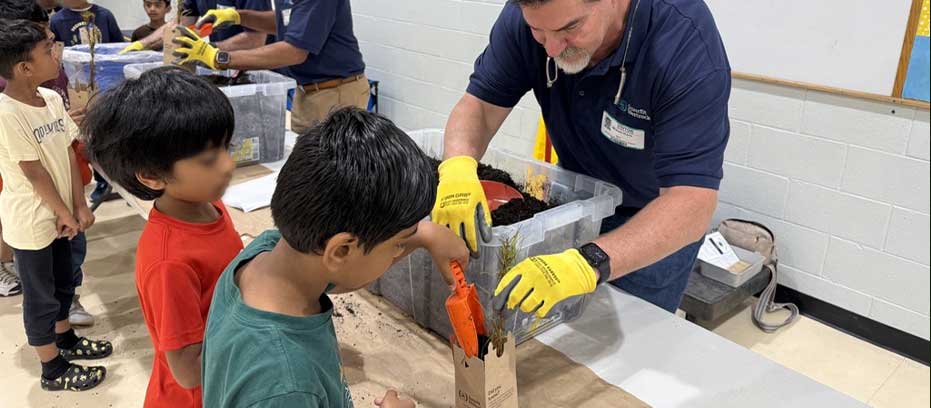
One of the ways our foresters educate others about sustainable forestry is through giving tours to people in community organizations and students of varying ages. Through tours, those living near our forests get a first-hand look at the sustainable forestry practices that support biodiversity.
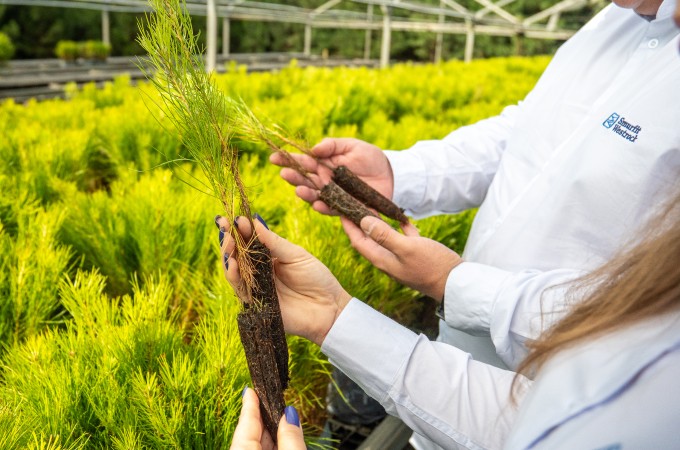
Because many don’t live in proximity to our forestry sites, our employees also work with schools all over the world to educate students about sustainable forestry. Employees in China run the Journey of a Tree program to educate young kindergarten students, and in North America, employees educate elementary school students through TICCIT: Trees into Cartons and Cartons into Trees. After students learn about forestry and papermaking in the classroom, they get a pine seedling to take home and plant.
Our employees in Tres Barras, Brazil promote awareness and education through farming and community collaboration. Many of the farmers there do not own property, so we work with local nonprofit cooperatives to allow local farmers to use our native forestlands for beekeeping. The farmers are able to label the honey they collect as “organic,” which can be sold at a premium, and the bees contribute to biodiversity and the health of the forest.
Committed to healthy forests now and in the future
Through sustainable forestry, our foresters are committed to protecting ecosystems around the world. While their tactics differ depending on region, their working relationships and strong ties to the communities around them serve as a common thread. Planning in collaboration, strong partnerships and community engagement combine with their years of expertise to ensure the forests we own, and those we source from, continue to benefit our ecosystems.
Sustainable forestry helps us maintain healthy biodiversity in many ways, but there’s more that we must do to preserve our resources for the future, such as reducing the waste that is often found in our environment. That’s why recycling, making circular products and engaging in sustainable supply chain optimization are also key components of our business model. Our recycling facilities recycled over 13 million tons of paper packaging in 2025.
Contact us to learn about how our team can optimize your paper packaging to increase circularity, and reduce waste and carbon emissions.
Our Latest Blogs