












How the countdown calendar trend is spurring packaging design innovation
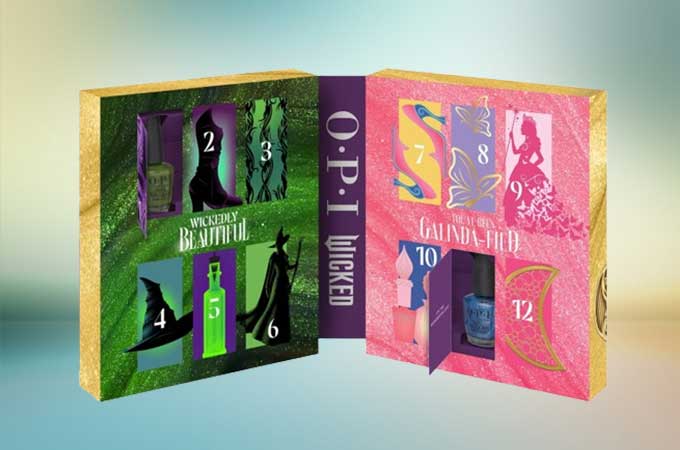
In recent years, the Advent Calendar market grew so significantly that in 2025, The Atlantic called it "out of control." Sales reached 1.34 billion globally in 2024 and are projected to grow over 8% annually.
Our sales and design teams have felt this shift as an increasing number of customers inquire about what it will take to create and produce a countdown calendar for Advent, other holidays or special occasions. Each time a customer asks, especially if they’ve never done specialty packaging, account managers have to track down the right team members for help and then gather enough information to provide design and printing possibilities and estimated price ranges. Because every design is a custom creation, the initial legwork can be quite time-consuming even before a customer has committed to following through with production.
Since efficiency is always top of mind, our team members knew there had to be a better way to begin this process—a way to start and have more meaningful conversations sooner in order to speed up a lengthy design process for our customers. Innovating the design process for this popular form of specialty packaging did just that.
The investment associated with specialty packaging

The growth in this category meant our team was managing many new players trying to enter the countdown calendar market, some who’d never ventured into the area of specialty packaging. This meant customers wouldn’t automatically understand the costs associated or the amount of time needed to go through the design process.
“Intrinsically, it’s very complex packaging,” said Eric O’Mally, Smurfit Westrock Graphic Design Director. “There are a lot of pieces going into a package that usually has some form of constraints to it, and we’re often trying to do that with limited time.”
Customers in the exploration phase needed the kind of information that would help them decide whether creating a countdown calendar was feasible and reasonable. Once deciding to move forward, they also needed guidance in making design decisions since the possibilities can be endless.
“The requests kept rolling in. So, I wondered if there was a way we could create some sort of program to make the process easier and put a systemized, strategic approach around it. That way, we didn’t have to reinvent the wheel every time we got a request,” said O’Malley.
From custom countdown calendars to templated options
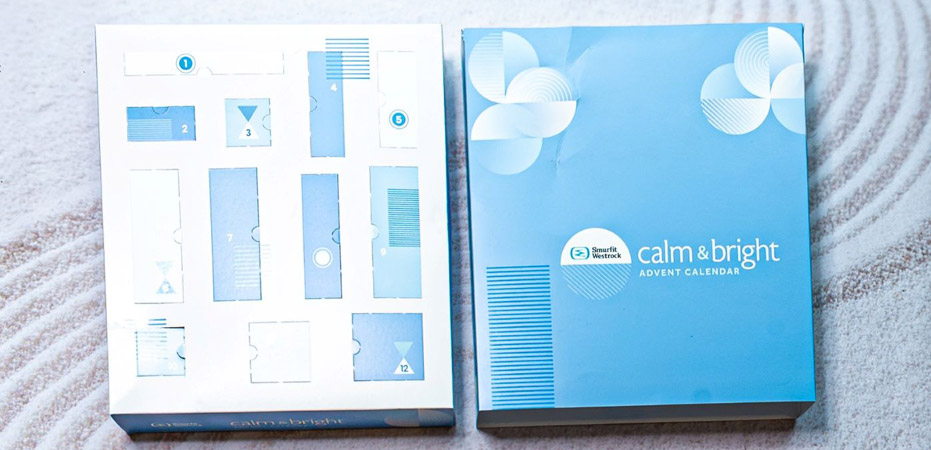
Team members in packaging design, project management, sales, and marketing came together to generate ideas and find the best solution. They decided on a three-tiered program that involved using a standard, one-size design template.
- Tier One: Customers get a standard folding carton design and decide the number of products and sizes of the openings.
- Tier Two: Customers get the same standard design template but can add specialty printing options, such as metallic foil or texturized prints, or add other special features.
- Tier Three: Customers get a completely customized calendar.
The tiered method allowed the team to quickly provide estimated price ranges based on quantity, which has now become an easy way to jumpstart conversations with customers and get the design ball rolling. Once customers see what’s possible within their desired quantities and budget, they can easily make a choice between tiers, taking the templated route or the completely custom path.
“This simplifies the packaging and the process without compromising our ability to use unique graphics and specialty print treatments,” said O’Malley.
Along with the new tiered program, the team chose one project manager to be the designated contact person, giving account managers one place to go for all the information they need.
“I ended up becoming the point person,” said Frank Dalesio, Smurfit Westrock Project Manager. “They contact me and then I can walk with them, provide them the options, and have those initial conversations to see where things go from there.”
The benefits of efficient, streamlined processes

The team liked the idea of having a tiered program since it was not only more efficient but able to cater to any of our customers. Our designers have created specialty packaging for major brands, but they also often design for emerging brands and small, niche products. The new program needed to streamline the process for all of them.
“It may not be an appropriate approach for a new and emerging brand to try to shoot for the moon with a highly creative custom calendar right out of the gate,” said O’Malley. “They may not have the time or the resources to do something like that.”
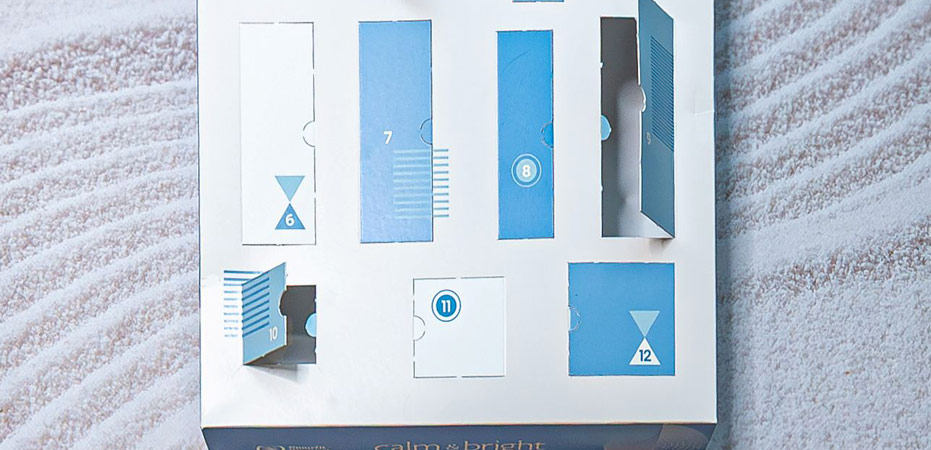
A basic Tier One template with custom cut-outs and graphics provides a cost-effective option for a smaller or emerging brand to enter the countdown calendar market and grow their brand. Tiers One and Two also streamline the design process to speed it up, allowing quicker turnaround for high-growth brands looking to capitalize on recent success or unexpected booms in sales.
These benefits lessen the barrier to entry for niche brands, while the fully custom Tier Three option provides a way for brands to make a serious investment in something with a hefty “wow” factor.
The “advent” of the countdown calendar program
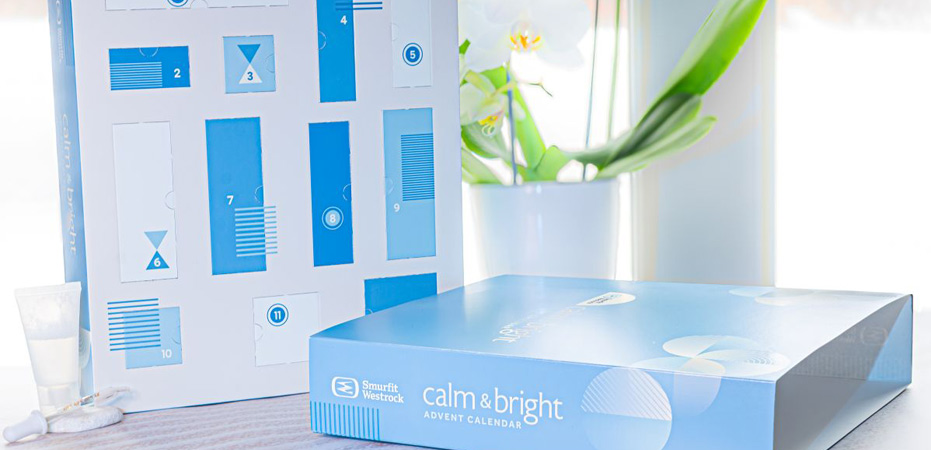
As brands begin thinking about Advent 2026, the Smurfit Westrock team is ready for the influx of those hopping on the countdown calendar trend. Interested customers will start with the new program and go from there. The team will gather feedback on this streamlined process from customers and then discuss making tweaks to improve it.
If your brand is ready to take on a specialty offering for holidays or special occasions, contact our experienced team of designers to explore all the options, from a basic branded countdown calendar to a wowing whimsical one.
Our Latest Blogs