








Mistakes to avoid when implementing packaging automation
In the world of manufacturing automation, there are plenty of cautionary tales that provide valuable lessons. One of the most notable involves a car company that fell way behind in meeting consumer demand after implementing new automation. Planning to ramp up production for a new model, the company over-automated their processes with robots and complicated conveyor belts. Instead of a ramp up, this move led to a production output of 2,000 cars a week compared to its target of 5,000. To fix the problem, some automated processes were scrapped altogether.
The temptation to “over-automate” is still a common mistake made today when implementing automation. Our experts agree that this also rings true with packaging automation, which is why they’re often pulled in to guide customers.
Today, 87% of hours spent on activities performed by production and manufacturing occupations could be automated, and 95% of industrial businesses plan to automate in the next three years. Many businesses cite staff shortages, a need to reduce manual errors and a desire to save time on repetitive tasks as the main drivers. However, without proper planning and guidance, manufacturers making automation decisions could make mistakes, such as the one above.
So, how do producers and manufacturers avoid the common pitfalls suffered by others when automating their packaging lines? Our packaging and automation consultants share their tips to help businesses avoid the most common mistakes.
1. Waiting too long and suffering with outdated or poorly performing packaging lines
When the process of implementing automated machinery is intricate, involved and time-consuming, it’s easy for businesses to put it off and live with what they have—especially when automation also comes with a significant price tag. However, companies may underestimate how much their outdated processes are costing them.
Without the right automation, productivity could lag, and in a growing business, demand may outpace that productivity, causing it to lose opportunities. If many processes are still manual, a business relies heavily on labor subject to staff shortages and error, which could affect quality control and customer satisfaction. Additionally, if a business is reliant on old, outdated equipment, the production line is probably suffering from frequent downtime and maintenance issues.
Implementing the right automation eliminates these issues, improving productivity and performance to the point that the automated equipment can quickly pay for itself.
2. Not having meaningful conversations with the right stakeholders
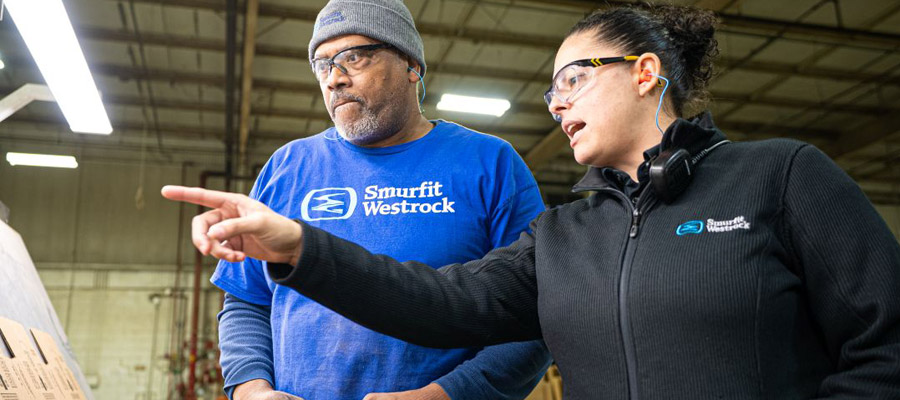
Making decisions without talking to all of those involved, whether they’re major stakeholders or machine operators, can lead to mistakes. Transitioning to new automated equipment involves people in various positions and departments and integrating different systems. Businesses have to have operators who can run it, and systems, software and other machinery that can integrate with it. New machinery must also support the sales and development goals of the company.
“Sometimes an operations person is just wanting to replace a machine, but the marketing and sales groups say they would love to have retail-ready packaging or ecommerce packaging capabilities built into the line,” said Craig Buscema, Smurfit Westrock business development director for Automated Packaging Systems (APS). “So, the right stakeholders need to be a part of the conversation up front, even if it’s solely to discuss future possibilities and desires.”
Major stakeholders are often included, but other stakeholders might also have valuable input. Therefore, Smurfit Westrock’s Packaging Consulting Group manager, Sean Lemerand, said it’s important to form a plan to gather input from people like workers on the production floor, since they can often be hesitant to offer unsolicited information. He says workers on the floor often know what the production issues are, which processes are not working and what changes could make major improvements in a packaging line.
3. Failing to consider the real value of the implementation

This was one of the main mistakes made by the company discussed earlier. Distracted by competition, new technology and the desire to “be the first” to implement that technology, the carmaker gave in to the temptation to over-automate without seriously considering whether the improvements would bring in a return that would beat the price tag.
Automating the whole line or getting the newest, most sophisticated technology (the bright, shiny object) is definitely tempting, but it may not be the best business decision. It’s important to weigh the cost of an implementation with the probable return over time and then use projections to decide exactly what to automate. Having those important conversations with key stakeholders will also help evaluate which automations will provide the greatest return and which processes should be automated first.
“Not every part of the packaging line can or should be automated,” said Buscema. “You have to carefully analyze the packaging line to figure out which processes can be automated to provide the most value, and start from there. That helps keep costs and possible disruptions in check.”
4. Poor planning

When it comes to automation, the old adage is true: proper planning prevents poor performance. Thorough planning in cooperation with packaging automation experts will ensure businesses avoid these planning pitfalls.
Not adequately budgeting the project
Sometimes businesses base their budgets on how much the Finance department will allocate versus how much a project will accurately cost. That means businesses often fall short of what an appropriate and reasonable automation implementation might cost.
“They’ve probably got some important numbers that weren’t just pulled from the air, but what they have available might not be realistic in terms of being able to achieve their goal,” said Lemerand. “That’s where we can help them with planning and figuring out the real cost but also analyzing their packaging line and supply chain to see where there might be other opportunities to reduce overall costs.”
Improper timing
Mistakes can be made when an implementation is rushed or put on an unrealistic timeline. That’s where steps in the planning process can be missed. Also, adding automation at an improper time can be an issue. The workers, the infrastructure and the systems have to be ready for automated equipment to ensure the equipment is used properly and to maximize its potential.
A produce customer of ours in Brazil purchased tray former automation as their business was growing significantly. The company was ready for automation but its regional infrastructure was not. After implementation, regular power outages in the region caused significant machine downtime. After reaching out to us for help, our team worked with another vendor to install solar power to run the company’s automated machinery, working around local infrastructure issues.

Considering the now, but not what’s next and what’s in the future.
Many decision makers think about the equipment they need to make their current packaging line more productive today but sometimes fail to think about what their packaging line needs to look like in three, five or 10 years. In planning, our packaging experts ask lots of questions, trying to help the business “future-proof” its packaging lines.
“If they want to replace a machine, we’ll look at whether there might be a better system, or whether it might be a good time to completely change their secondary or tertiary packaging to make things more cost-effective for them. When a business needs to replace equipment, that may be a good time to reevaluate the line and determine if the packaging format is the best option for the business and its future, before making a major investment in another machine,” said Buscema.
5. Failing to incorporate a maintenance plan
It’s not uncommon for decision makers to think they could flip a switch and start reaping the production value of new automation. After all, it is a brand new machine. However, today’s machinery has even more bells and whistles, and it takes time and expertise to get all the settings perfectly attuned. Additionally, implementing new automated machinery involves a learning curve for workers on the production floor, not just for operation, but also for maintenance and troubleshooting.
“Businesses need some kind of plan for support after installation,” said Buscema. “There are often hiccups in an installation, with a new machine or packaging line, and it’s important to have quick access to the right maintenance support.”
6. Improper training
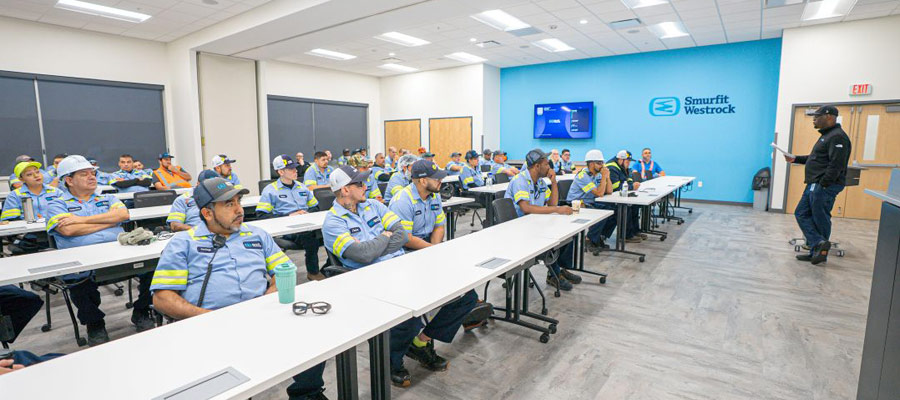
As well as fine tuning intricate equipment, workers have to be trained in how to use it, configure it and maintain it. New and more capable machinery may require new production processes that workers need to understand. Failing to account for the human element is another common mistake.
One of our customers was experiencing chaotic growth that required them to automate multiple processes in production and packaging at the same time. Our team proposed packaging line options and then helped the customer implement its top choice. Post implementation, the business struggled to meet the productivity they expected with new automation and reached out to us for help.
Our team was able to figure out that a lack of new processes for their workers was leading to inefficiency and slowing down the packaging line. Our senior manager of performance excellence travelled to the production facility to lead Six Sigma training for the staff so they could apply the Kaizen method to their work. The extra training brought more organization to the whole facility and increased production efficiency.
7. Not having the right packaging partner or vendor partners

A large business may employ its own packaging experts but should still seek consultation from a packaging partner with expertise in materials, packaging design and automation. Our experts say multiple perspectives from outside the organization, whether from packaging providers, automation providers or supply chain consultants, can help leaders make the best decision for the business and avoid common mistakes.
“We got a call that a customer of ours was moving forward with purchasing an RSC (regular slotted container), which was not the best packaging for that particular product.” said Lemerand. “They had just issued a purchase order for an RSC erector. We had some discussions with them, and within two weeks, we had some new design work to show them there was a more efficient and cost-effective way to execute the wrap. That saved them from buying the wrong machine, which would have been a costly mistake.”
Be thorough when planning to implement automated machinery
Acquiring automated machinery can be a game changer for a business. Of those who’ve implemented automation, 43% say it has reduced employee workload and positively impacted productivity, quality and job satisfaction.
However, our experts can’t stress enough the importance of being thorough in planning. When it comes to a company’s packaging line, packaging consultants can help leaders think through all the steps, stakeholder s and questions they need to include in the process to form a thorough implementation plan and ensure a company reaps the value of the investment.
See our Packaging Line Upgrade Planner for helpful tips as you form a plan, and contact our packaging consultants to get more guidance as your business scales.


Our Latest Blogs